
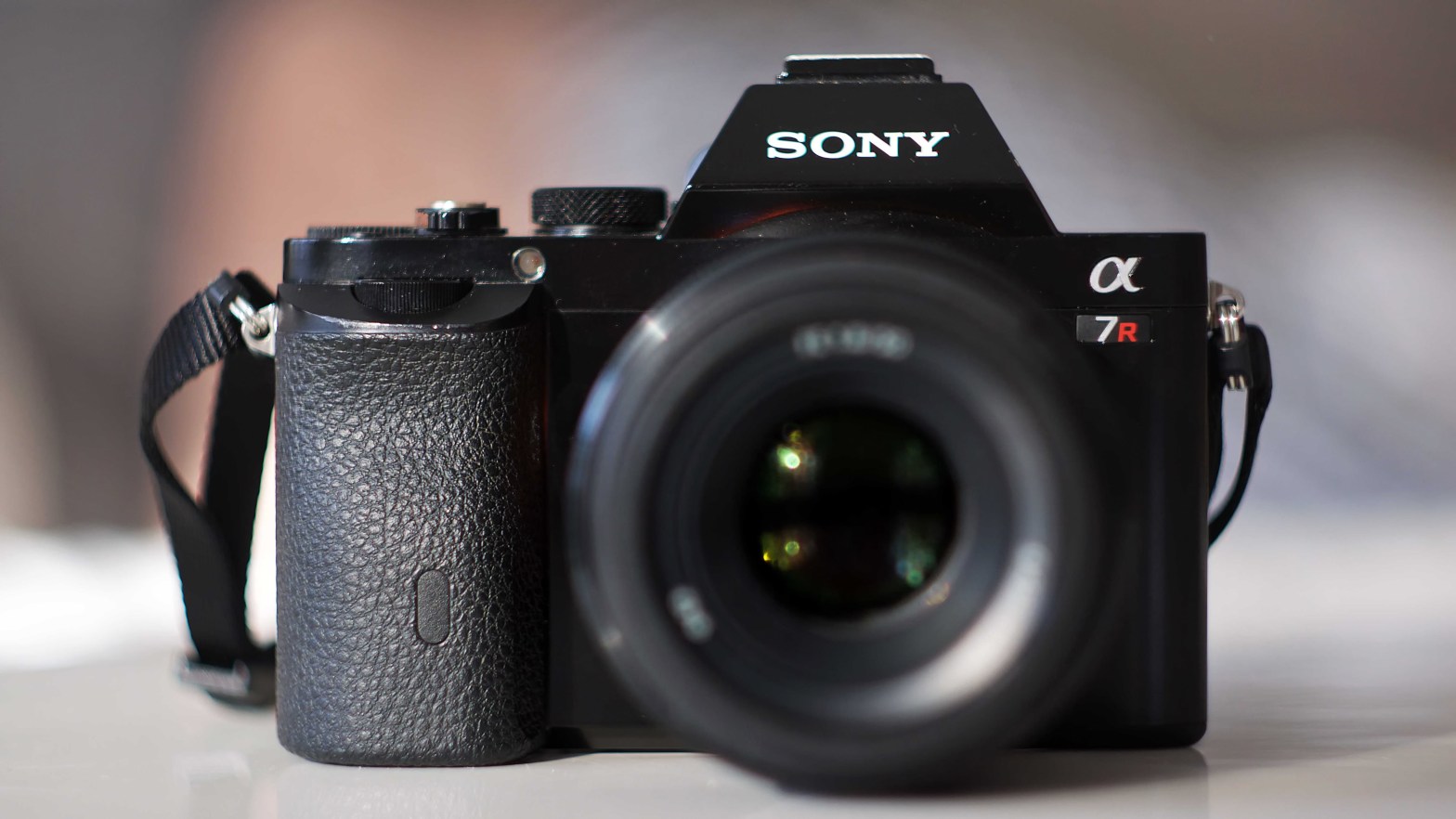
Just like a lot of people, my dream for years was to get a full frame camera. Having settled for Sony cameras since alpha 100, grown attached to their ease of use with all the quirks involved, I was naturally drawn to the newest of the new. Six years ago. Then I did not have the money. Nor did I have now for the newest of the new. I found out that there were alternatives. After tedious nights surfing the web for reviews, images, data sheets and comparisons, I thought Sony was still my best choice. Light, capable, adaptable and familiar. I wanted something that would enable absolutely top-tier quality on images. What do You know, six years from launch, with a steady stream of updated models, “the original” was cheap when used! I jumped on one.
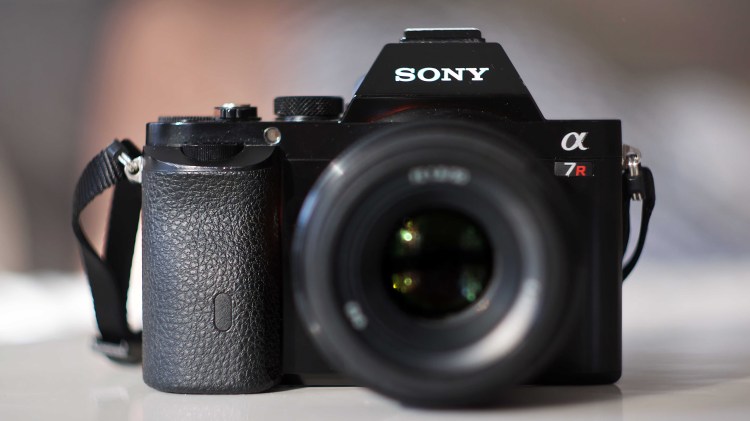
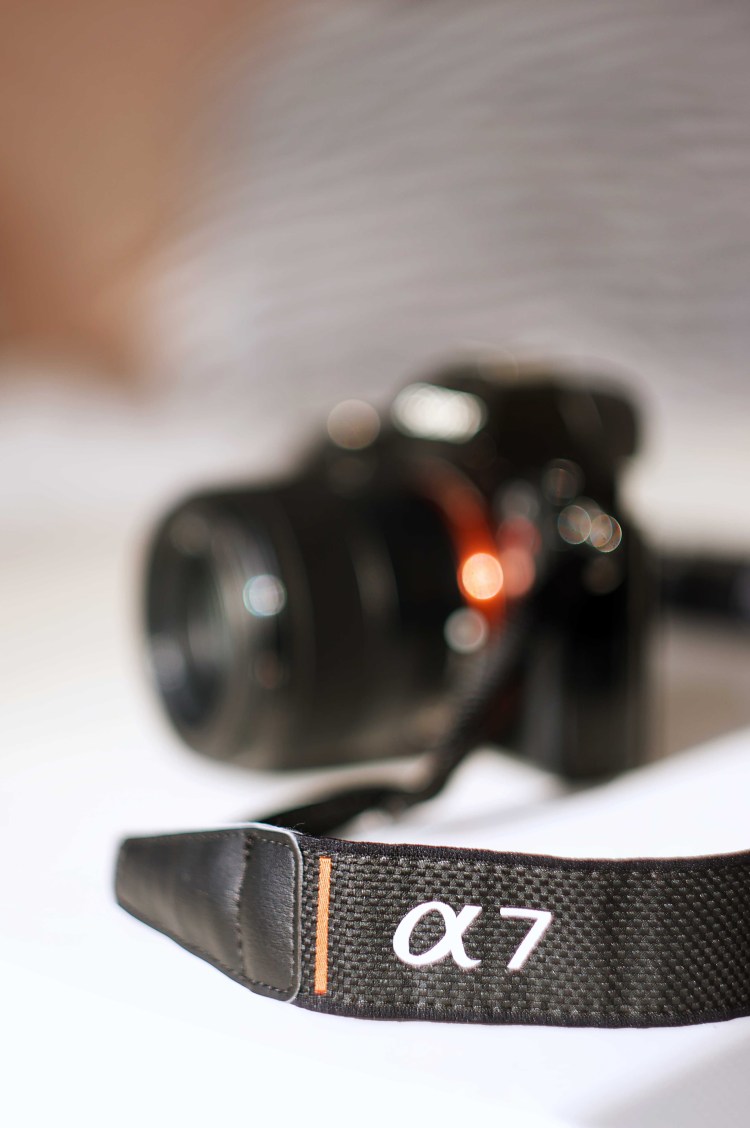
After what felt too long I bought this camera at the end of last year for 630€. Similar price range in used category includes the likes of Nikon D600 and Canon EOS 5D Mark II. Canons dynamic range puts me off. I studied D600 closely and use D810 at my day job, they are great cameras for sure. Lack of tiltable LCD, EVF and focus peaking persuaded me to go for the Sony.
I instantly hooked my a7r up with vintage lenses and was reassured that yes, this was a very good camera. Too good for many lenses I happily use on my NEX 6. Too bad. Handling took some time with adapter and vintage lenses.
You get keepers with what ever lens. Still, some work better in this camera than others. One that does, is the Helios 44-M. Love that lens.


For wider need I go for the Kiron 28mm. On full frame it is wide indeed, but sharpness is still top notch and tones softly reassuring.


For weirdness sake I often like to shoot with Carenar 35mm f2.8. Quality is not good, iq all over the place, coating, I think, non-existing, yet with that lens everything is possible.


A few others that produce acceptable quality are Makinon 28mm on the left and Minolta AF 35mm on the right. On the a7r, Minolta has the same problem as with the NEX 6. Tricky focus.


I find one of my favorite lenses on aps-c, Chinon Auto 50mm f1.7 too difficult. I cannot get anything in focus. Might be lack of trying or training.
Shutter shock. You know it, You’ve read about it, You fear it. I knew it when I bought the camera. Thing is, I like to shoot handheld. I rarely shoot with long lenses. I do not pixel peep, much. To test the issue, I attached to the camera the longest lenses I have. First, the Minolta AF 100 2.8 Macro. I know it’s a super sharp lens, this just proves it. Tack sharp with 1/500. And therein we have another important thing. To get those high shutter speeds we do have the luxury of pumping up the ISO. Here at only ISO 400.
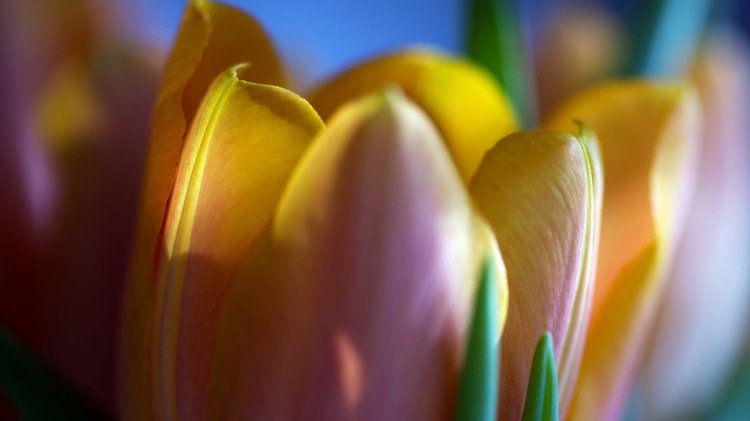
Next the venerable “Beercan”, Minolta AF 70-210mm f4. A bit more challenge?
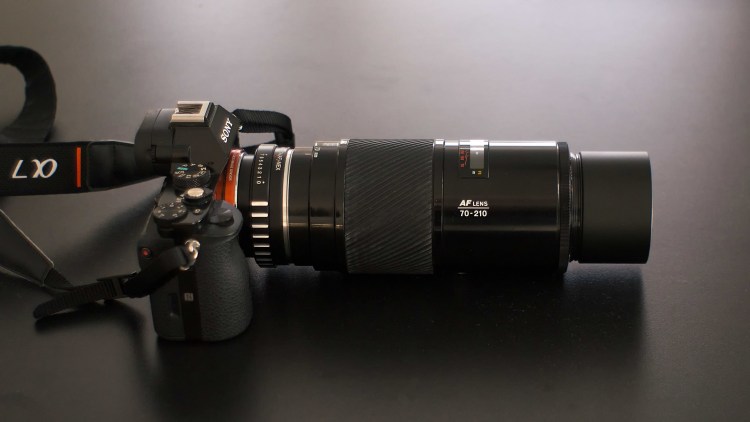
First image with 210mm, both are 1/200 and ISO 1000. Amazing lens. Focus with focus peaking. As the subjects were on a catwalk there really was no time or sense to use focus magnifier. Focus was perfect.


Last, the true test, Popular 400m f6.3, not the brightest lens around.
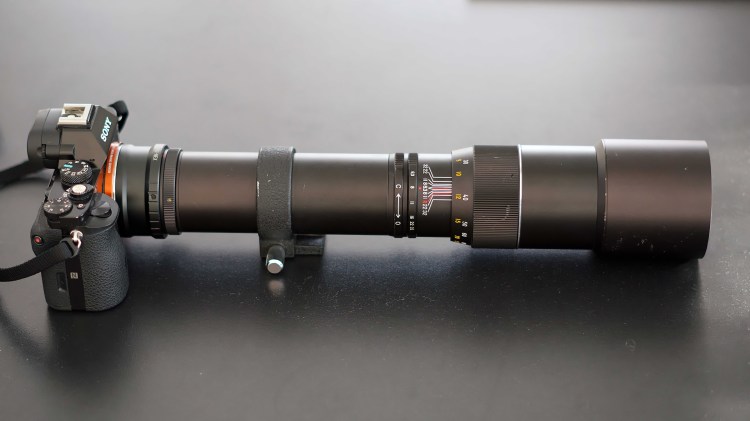
1/400 with ISO 800, handheld. With a 100% crop. Not too shabby.

Shutter shock is there and documented but again, depending on Your shooting preferences might not have influence on the images.
I sorely was eager to get a native lens also, for extreme small size. So I got a used Sony FE 50mm f1.8 for 125€, not vintage but in budget. Criticized all over I found some encouraging reviews also and thought for the price, I’d give it a try. I’ve been positively surprised with that lens. The whole package is very easy to handle.
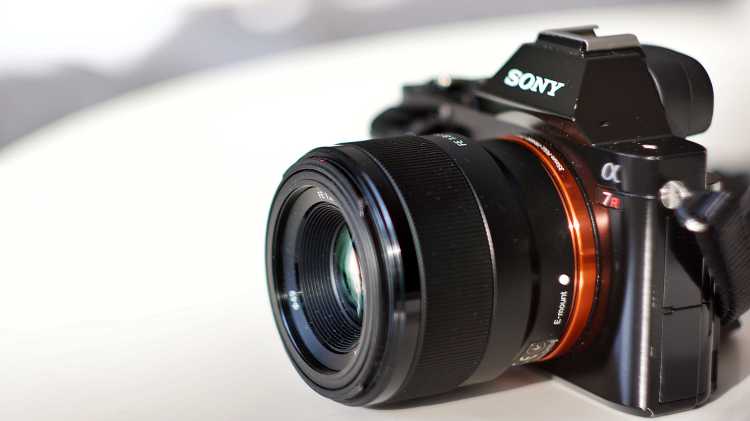
Excellent images, auto focus works as it should for my style of photography. Use that big focus point. Nothing else. Good buy, I use it a lot.


As video cannot get lower than ISO 200, it is not ideal. But You can shoot video also. I prefer my NEX 6. Here is the review in video version with a few clips from the a7r.
To summarize: You want full frame for all it’s benefits. You want it mirrorless for lightweight. You want a bunch of megapixels, nothing on the way of absolute sharpness. You want respectable low light capabilities. You want to attach all kind of old stuff on it. You’re on a budget. In my mind, the Sony a7r is a solid, if not the best choice. For those who criticize 1st gen stuff and remember all that was wrong I agree to a degree. We recently got the a7iii at day job and I have to say the eye-af is an immensely useful feature. The price is just a bit too steep. And it’s not vintage 🙂
Again, it’s all about that picture. It’s all about knowing what Your gear can do and working with it. Same with vintage lenses. Detail on the images is astounding, and totally depends on the lens and use! I will gradually add an update to all the reviews with a section of images taken with the a7r. No problem, only possibilities.
Sony a7r in 2019, a great camera!
 Hill & Spruce Photography